New Gambling Tax Laws Impacting International Table Games
The rapidly evolving global gambling landscape has brought significant changes to the table games sector, particularly when it comes to taxation and regulatory frameworks. As international markets continue to refine their policies, players across the world are navigating a complex web of new laws and requirements. In this comprehensive article, we’ll explore the key regulatory updates impacting table game enthusiasts in various jurisdictions, offering insights and strategies to help you stay informed and empowered.
Navigating the Shifting Regulatory Landscape
One of the most notable developments in the international gambling scene is the implementation of new tax laws, which are significantly influencing the table games sector. In recent years, we’ve witnessed several countries revise their gambling taxation policies, introducing changes that directly impact the experiences of table game players.
The Case of Uganda’s 30% Gambling Tax
Uganda, a prominent player in the African gambling market, has recently implemented a 30% gambling tax, accompanied by a 15% withholding requirement. This move has sent ripples through the country’s table game community, as players and operators alike grapple with the implications of these new fiscal policies.
The 30% tax rate applies to all forms of gambling, including popular table games such as Blackjack, Roulette, and Baccarat. The 15% withholding requirement further complicates the landscape, as players must now navigate the process of reclaiming any overpaid taxes, potentially adding an extra administrative burden.
Isle of Man’s Updated Fitness Standards
Across the globe, in the picturesque Isle of Man, regulators have recently updated their gambling laws, introducing new fitness and propriety standards for both operators and key individuals within the industry. These changes have a direct impact on table game providers and the overall player experience.
The revised regulations require gambling operators to meet stringent criteria related to their financial stability, technical capabilities, and corporate governance. Additionally, key personnel, such as directors and senior managers, must now undergo rigorous background checks to ensure their suitability for the industry.
Adapting to the New Realities
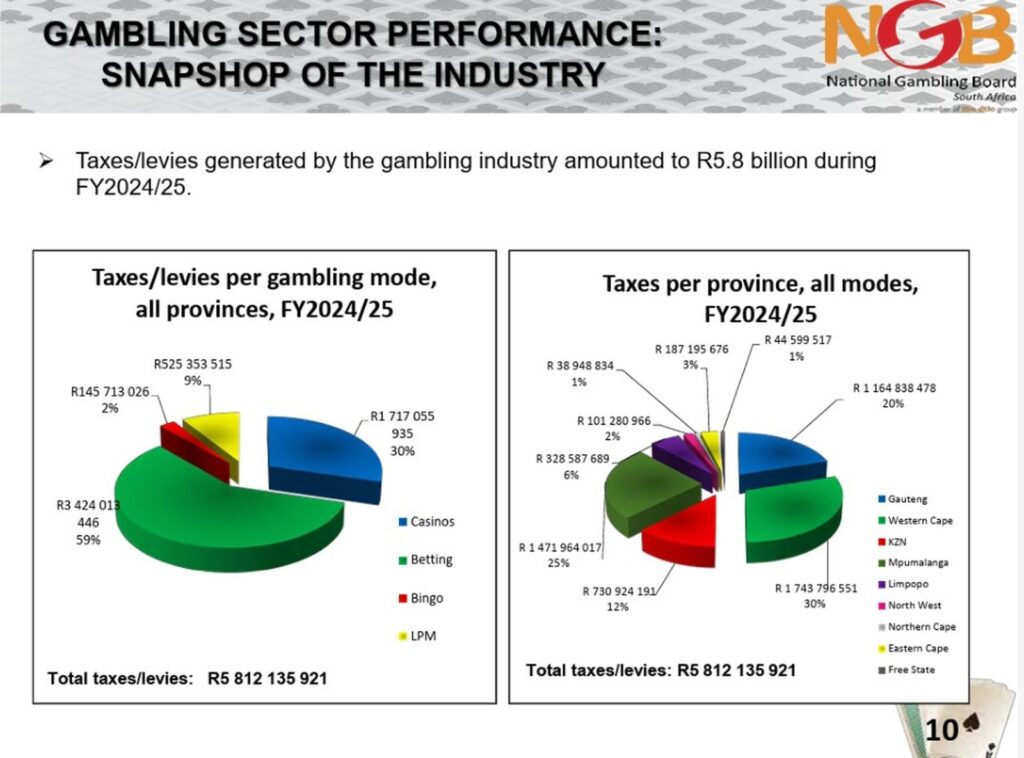
/file/attachments/2985/gamblingtaxessnapshot_281054_abaaa2557db889da8ac35f3513851ced.jpg)
As the international table games landscape evolves, players must adapt to the changing regulatory environment to ensure they can continue enjoying their favorite pastime. Here are some strategies and insights to help you navigate the current landscape:
Understanding Tax Implications
One of the most critical aspects for table game enthusiasts is understanding the tax implications of their gambling activities. In the case of Uganda’s 30% gambling tax, players must familiarize themselves with the process of reclaiming any overpaid taxes. This may involve meticulously tracking their winnings and losses, as well as staying up-to-date with the latest regulatory updates and filing requirements.
Similarly, in jurisdictions like the Isle of Man, where fitness and propriety standards have been strengthened, table game players should research the reputation and compliance of the operators they choose to engage with. This can help ensure a seamless and secure gaming experience, as well as mitigate any potential issues related to taxation or regulatory compliance.
Diversifying Your Table Game Portfolio
As the regulatory landscape evolves, it’s prudent for table game enthusiasts to diversify their gaming portfolio. By exploring a range of table game options, from traditional favorites like Blackjack and Roulette to emerging variants, players can minimize their exposure to the impact of specific regulatory changes. This approach can help ensure that even if one game or jurisdiction is affected by new laws or taxes, players have alternative options to continue their table game adventures.
Staying Informed and Engaged
Navigating the complex world of international table game regulations requires a proactive approach. Players should make a concerted effort to stay informed about the latest developments in their respective markets, whether through industry publications, regulatory updates, or trusted gambling news sources.
By staying up-to-date, table game enthusiasts can anticipate and adapt to changes, ensuring they are equipped to make informed decisions and maintain their enjoyment of the games they love. Active engagement with industry forums, player communities, and regulatory bodies can also provide valuable insights and support during times of transition.
Responsible Gambling Considerations
As the table games sector navigates the evolving regulatory landscape, it’s essential to maintain a responsible and balanced approach to gambling. Regardless of the specific tax or compliance requirements in your jurisdiction, prioritizing responsible gambling practices should remain a top priority.
This includes setting realistic budgets, taking breaks, and seeking support if gambling becomes problematic. By fostering a culture of responsible play, table game enthusiasts can continue to derive enjoyment from their favorite pastime while mitigating the risks associated with excessive or problematic gambling behavior.
In conclusion, the international table games sector is undergoing a significant transformation, driven by new tax laws and regulatory updates. By understanding the implications of these changes, diversifying their gaming portfolio, and staying informed, players can navigate this evolving landscape and continue to enjoy the thrill and excitement of table games. Remember, responsible gambling should always be at the forefront of your table game experience.
